

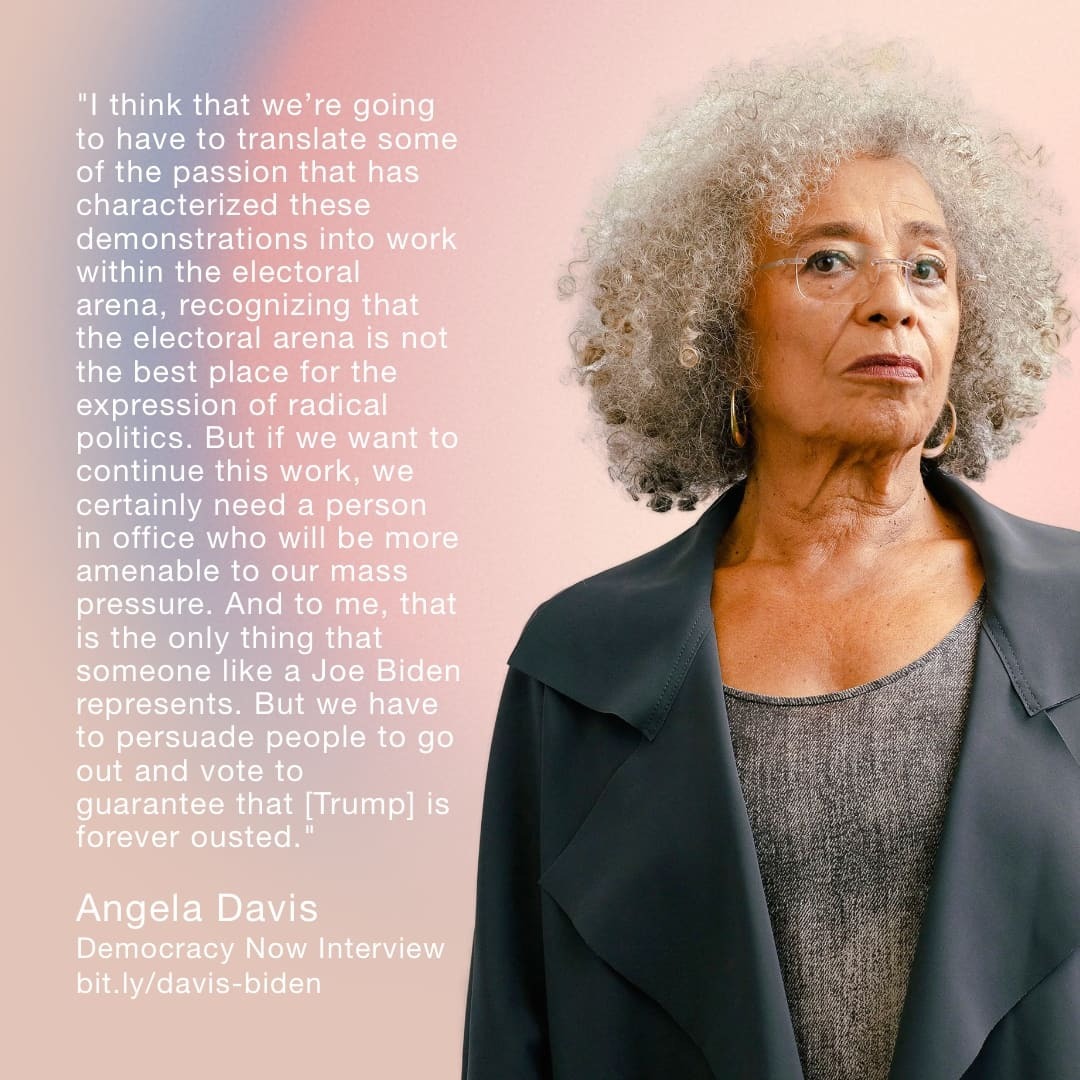
“If we want to continue this work, we certainly need a person in office who will be more amenable to our mass pressure. And to me, that is the only thing that someone like Joe Biden represents. We have to persuade people to go out and vote to guarantee that [Trump] is forever ousted.”
- Angela Davis, Democracy Now Interview








Reworked
Main Hall II: Santiago Calatrava’s The Oculus. NYC, 02-26-22. (Reworked 02-02-24. See the original here.)


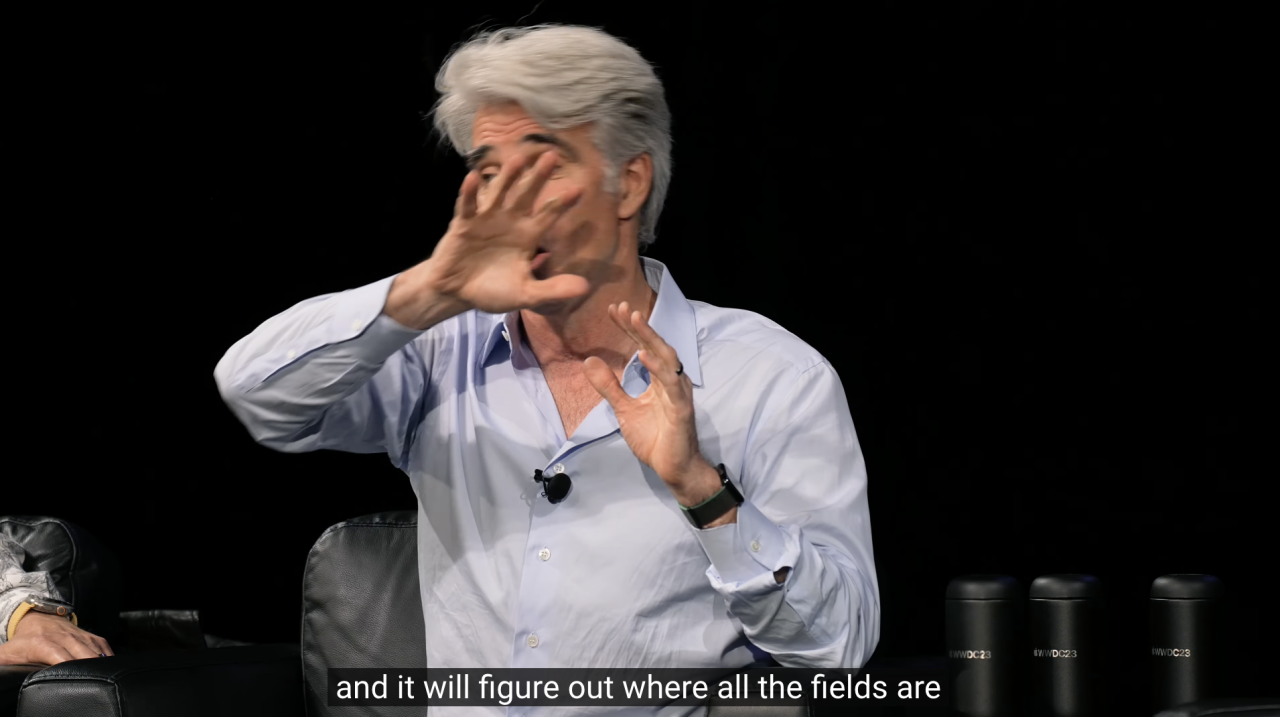


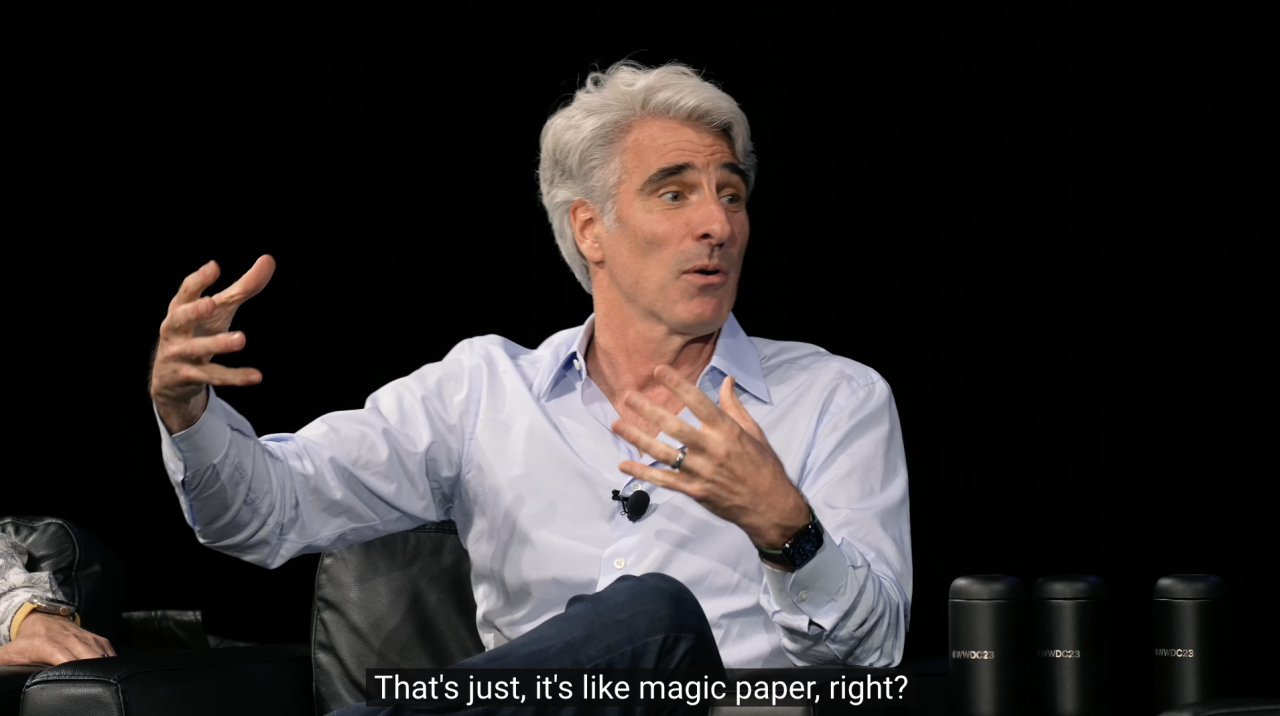

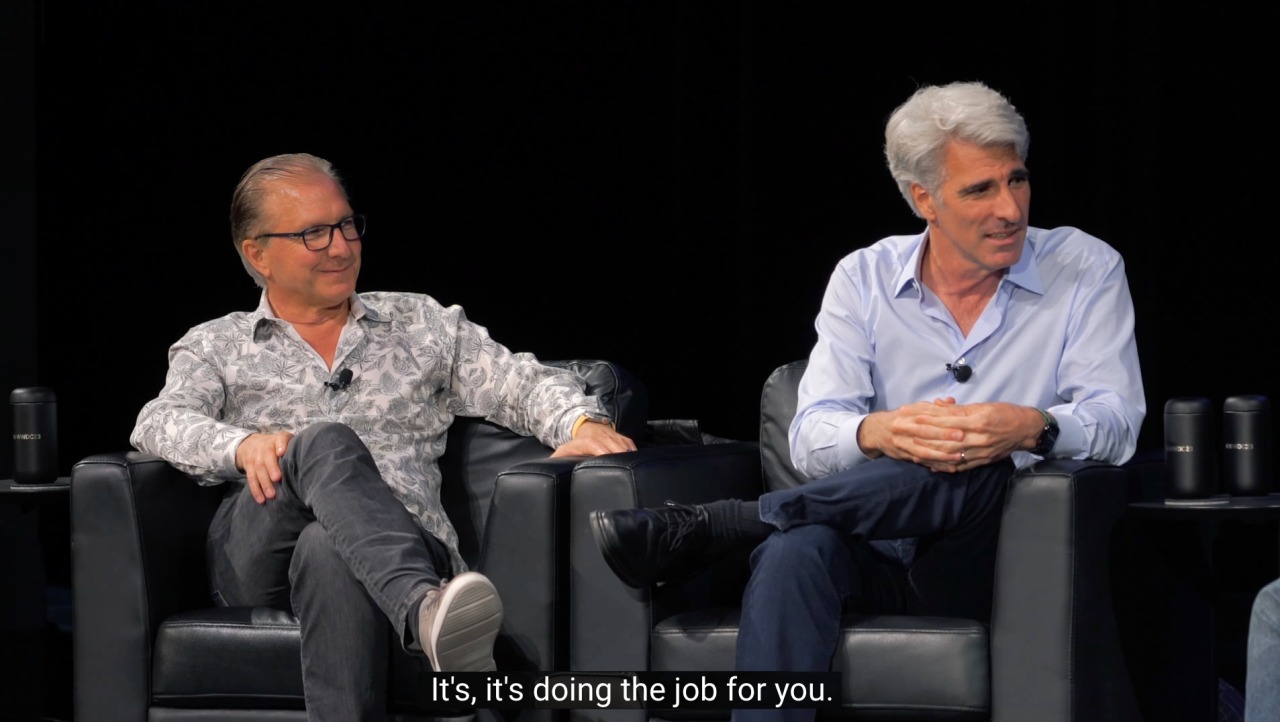
Apple throwing shade.
Today’s “AI” chatbots are no smarter than Siri. They only seem smarter because they’re not doing anything useful. We notice when Siri fails because we ask it to do meaningful tasks. When we ask it to turn off the lights, for example, and it doesn’t, we notice.
But we ask comparatively little of other chatbots, and they give us even less in return. This makes it easy for them to fail without us noticing or even caring. We don’t notice because they don’t matter.
I love this bit 👆 from Apple’s Craig Federighi where he’s kind of disgusted by the idea of having meandering conversations with a chatbot in order to get something done.
The “AI” should be doing the work for you. I think Apple knows how hard that actually is, because they’ve been working at it for a long time with very limited success. They know how hard it is to do because they’re trying to use the tech to do meaningful things that actually serve people.
The difference is Apple taking on the burden of trying to make this tech do something, versus basically everyone else putting the burden on us. We’re meant to contort to the inconsistent ramblings of their raw tech because if it was a real product that people depended on, we would ridicule it.
Just like we ridicule Siri.
I propose that Ween’s Jonny On The Spot is about porta-potties.

I've become absolutely obsessed with Ween's The Stallion Pt. 3. I've been listening to every version I can find, including random people covering it on YouTube. It was the last thing I listened to last night before bed and the first thing I listened to this morning. I've listened to it dozens of times over the last few days.
Yes. This.


Kudos to Queen for remastering this video. It's impossibly bad, but we don't usually get to see videos from this era with such clarity. Somebody actually spent some real time cleaning this up.
Incredulous, I asked myself how I had never heard this song before. But given how terrible it is, I suppose that makes sense.
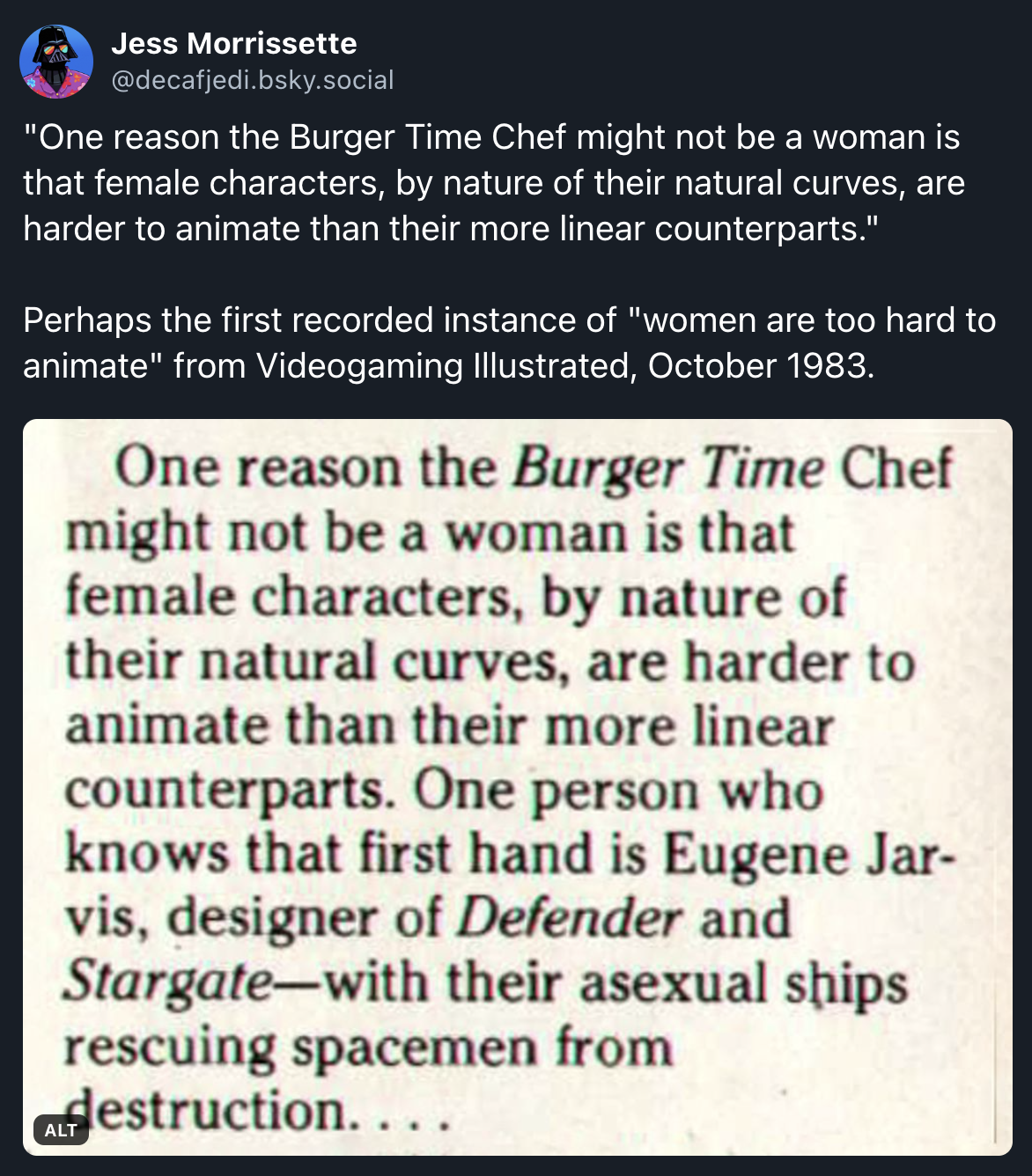 ALT
ALT
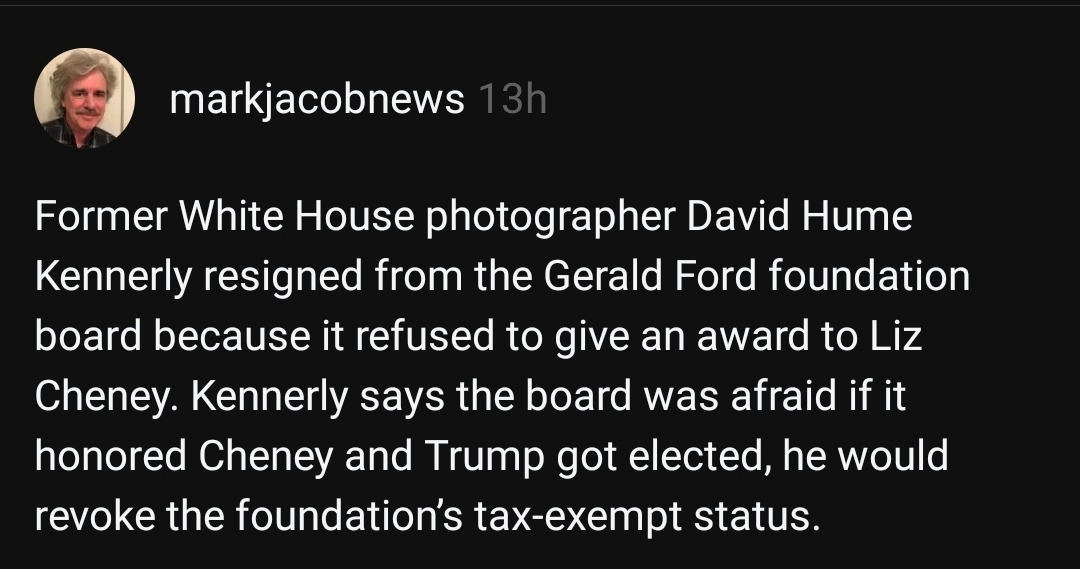

'Giving up out of fear without being asked' is how MAGA took over the Republican Party.

